




It is through stem cell differentiation that stem cells can replace damaged organ cells.
It is through the replacement of damaged cells by new organ cells, derived from stem cells, that regeneration occurs.
The use of stem cells to treat human diseases is now termed regenerative medicine.
Why are stem cells important?
Stem cells are different from other kinds of cells in the body in that they are unspecialized cells that have the capability of turning into any type of specialized cell.
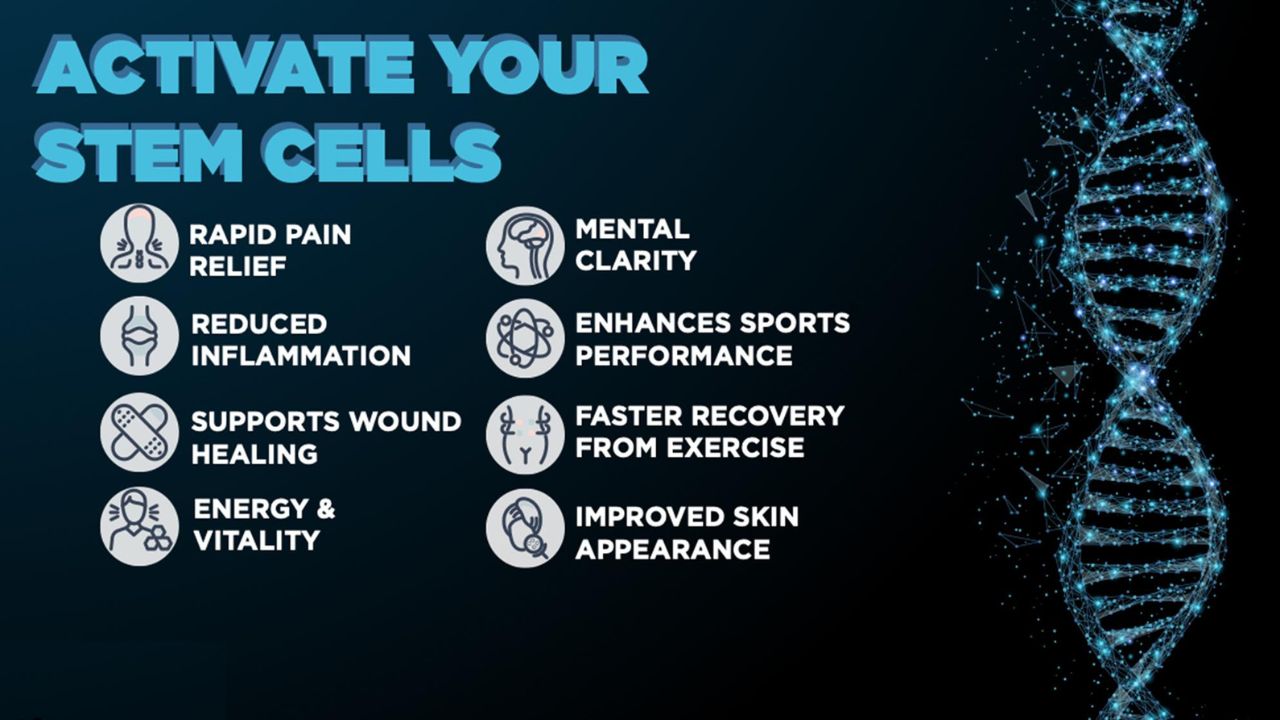
Stem cells are located throughout the body, and they may remain dormant (non-dividing) for years until they are activated.
Activation of stem cells to differentiate into specialized cells occurs when a need arises for new cells to maintain organ and tissue function.
Also, injury to tissues can stimulate the activation of stem cells, when adequate capability of peptide production and gene expression still exists.
All stem cells are capable of dividing and renewing themselves, but as we age the peptides that activate stem cells decline and stem cell renewal drastically slows down.
When the process of cell death exceeds renewal and stem cell-initiated repair - organ degeneration begins, health will deteriorate and eventually when organ functions fall too far death soon follows.